
Adolescence is often described as a turbulent time for neurotypical teenagers. For young people with poruchou autistického spektra (PAS), this period brings unique challenges related to social navigation, independence, and self-identity. While traditional therapy focuses on clinical interventions, a growing global movement emphasizes the power of peer support. This raises a critical question for families in the Czech Republic: Is there structured peer mentoring for autistic adolescents available here, or are we relying on informal, unverified methods?
The reality is complex. Unlike countries such as Germany or the USA, where organizations like Autism Deutschland or Autism Speaks have established formal peer mentoring frameworks, the Czech landscape lacks systematic, evidence-based programs specifically designed for adolescent peer mentoring. However, this does not mean support is absent. It means understanding what exists, what is missing, and how families can bridge the gap using available resources like those from NAUTIS (Národní ústav pro autismus) or adapting international methodologies like Son-rise.
Co je peer mentoring a proč je klíčový pro dospívání?
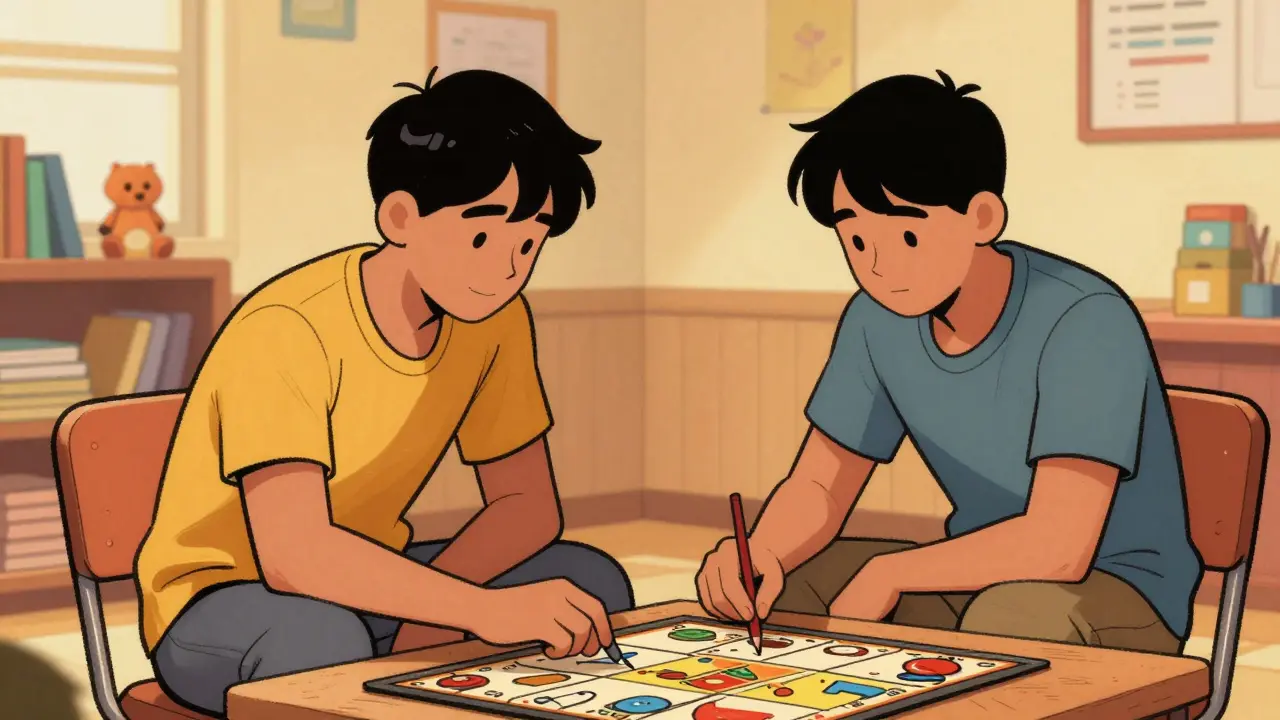
Peer mentoring (podpora vrstevníků) is a methodology where mentors-peers without or with autism-provide support through shared experiences, joint activities, and social modeling. For adolescents with PAS, this approach offers several distinct advantages over adult-led therapy:
- Sociální modelování (Social Modeling): Observing peers navigate social situations provides a relatable template for interaction, which is often more effective than abstract instructions from adults.
- Snižování izolace (Reduced Isolation): Connecting with others who understand similar sensory or social challenges reduces feelings of being "different" or alone.
- Příprava na budoucnost (Future Preparation): Peer interactions simulate real-world social dynamics, preparing teens for university, work, and independent living.
In the context of PAS, peer mentoring is not about "fixing" the individual but creating a supportive environment where natural social learning can occur. This aligns with modern neurodiversity-affirming approaches that respect the autistic experience rather than trying to mask it.
Stav peer mentoringu v České republice: Realita vs. Očekávání
When searching for structured peer mentoring programs for adolescents with PAS in the Czech Republic, you will find a significant gap. There is currently no national, systematic evidence of specific peer mentoring programs explicitly designed for this age group. Most existing services focus on either early childhood intervention or parental support.
| Organizace / Program | Cílová skupina | Typ podpory | Obsahuje prvky peer mentoringu? |
|---|---|---|---|
| NAUTIS | Pečující osoby (rodiče) | Víkendové pobyty, vzdělávání | Ne (zaměřeno na rodiče) |
| Son-rise program | Děti s PAS a jejich rodiny | Intenzivní interakce, respektování světa dítěte | Ne (primárně rodičovská facilitace) |
| ABA-Centrum | Děti s PAS | Individuální terapie, skupinové aktivity | Není explicitně uvedeno |
| Podané ruce | Osoby s postižením a rodiny | Asistence, hlídání | Nejedná se o strukturovaný mentoring |
| Paspoint | Předškolní děti (2-7 let) | Cílená podpora, příprava na školu | Ne (věková hranice příliš nízká) |
This table highlights a crucial insight: while many organizations provide valuable support, none currently offer a dedicated peer mentoring framework for adolescents. Programs like NAUTIS’s weekend retreats, led by experts such as Mgr. Markéta Gregorová and Mgr. Laura Bechyňová, focus on parental competencies and stress management, indirectly supporting the adolescent but not facilitating direct peer-to-peer mentorship.
Mezinárodní inspirace: Co můžeme převzít?
Although local options are limited, international models provide a blueprint for what effective peer mentoring looks like. In Germany, Autismus Deutschland has integrated peer support into its broader advocacy and service network. In the USA, Autism Speaks and other grassroots organizations have developed programs where older autistic individuals mentor younger ones, fostering a sense of community and shared identity.
The key elements of these successful programs include:
- Strukturace aktivit: Activities are planned to encourage natural interaction, such as joint hobbies, sports, or creative projects.
- Vzdělávání mentorů: Mentors receive training on autism awareness, communication strategies, and boundary setting.
- Bezpečné prostředí: Sessions take place in controlled, low-stress environments where participants feel safe to express themselves.
Families in the Czech Republic can adapt these principles by seeking out informal networks or collaborating with local therapists to create customized peer support groups.
Jako náhrada za chybějící programy: Informální podpora a alternativy
In the absence of formal programs, many families rely on informal support systems. One common example is hiring a babysitter or assistant who engages in play-based interaction. As one parent noted, a neighbor’s daughter who played with their son in the garden made significant progress simply through consistent, energetic engagement. While this is not structured peer mentoring, it demonstrates the value of positive, non-clinical social interaction.
Another alternative is the Son-rise program, introduced to the Czech Republic in 2013. Although primarily focused on parental facilitation, its core philosophy-respecting the autistic person’s world and joining them in their interests-aligns closely with peer mentoring principles. Parents trained in Son-rise can sometimes facilitate peer-like interactions by inviting friends or siblings to join in structured play sessions.
Krok za krokem: Jak vytvořit vlastní podporu vrstevníků
If you cannot find a ready-made program, consider building your own support network. Here is a practical guide:
- Identifikujte zájmy: Start with the adolescent’s special interests. Whether it’s coding, drawing, or history, these passions are powerful connectors.
- Hledejte podobné jedince: Connect with local autism associations, online forums, or school clubs where other neurodivergent teens might be present.
- Začněte malými setkáními: Arrange short, low-pressure meetings in familiar environments. Avoid large groups initially.
- Role modelu: If possible, involve an older teen or young adult with PAS who can serve as a role model. Their experience can be incredibly validating.
- Monitorujte a upravujte: Regularly check in with the adolescent to assess comfort levels and adjust activities accordingly.
This DIY approach requires patience and flexibility but can yield meaningful connections when formal options are unavailable.
Budoucnost peer mentoringu v ČR: Co nás čeká?
The future of peer mentoring for adolescents with PAS in the Czech Republic depends on increased awareness and advocacy. Organizations like NAUTIS and ABA-Centrum are already leaders in providing specialized support. As demand grows, there is potential for these entities to expand their offerings to include structured peer mentoring components.
Furthermore, the rise of digital platforms may facilitate virtual peer mentoring, connecting isolated teens across regions. This could mitigate geographical barriers and provide access to diverse perspectives. However, any such initiative must prioritize safety and ethical guidelines to protect vulnerable participants.
For now, families must remain proactive. By combining international best practices with local resources, we can create supportive ecosystems that empower autistic adolescents to thrive during this critical life stage.
Existují v České republice oficiální programy peer mentoringu pro dospívající s autismem?
V současné době neexistují žádné systematické, národně uznávané programy peer mentoringu specificky určené pro dospívající s poruchou autistického spektra (PAS). Organizace jako NAUTIS nebo ABA-Centrum nabízejí terapii a podporu rodinám, ale ne strukturovaný mentoring mezi vrstevníky.
Jaký je rozdíl mezi peer mentoringem a běžnou terapií?
Terapie obvykle vede odborník (psycholog, logoped) a zaměřuje se na konkrétní klinické cíle. Peer mentoring je veden vrstevníkem (mentorem) a klade důraz na sdílení zkušeností, společné aktivity a přirozené sociální učení v méně formálním prostředí.
Může mi pomoci program Son-rise při hledání podpory pro mého syna?
Ano, i když Son-rise není primárně peer mentoring. Tento program učí rodiče respektovat svět dítěte s PAS a zapojit se do jeho zájmů. Tyto principy lze upravit pro usnadnění interakcí s vrstevníky, například pozváním kamarádů do strukturovaných her.
Kde najdu kontakty na organizace pracující s dospívajícími s PAS?
Hlavními organizacemi jsou NAUTIS (Národní ústav pro autismus) a ABA-Centrum v Praze. Obě nabízejí různé formy podpory, včetně víkendových pobytů pro pečující a individuálních terapií. Je vhodné kontaktovat je přímo a zeptat se na možnosti sociálního začleňování.
Je bezpečné svěřit dospělého s autismem mentoru bez odborného vzdělání?
Ideálně by měl mentor mít alespoň základní povědomí o autismu. Pokud jde o neformální podpora (např. sousedka nebo starší kamarád), je důležité nastavit jasná pravidla, monitorovat interakce a zajistit, aby prostředí bylo bezpečné a předvídatelné.